Autoimmune Response and Skin
When the immune system reacts against the skin itself, and what that means for care.
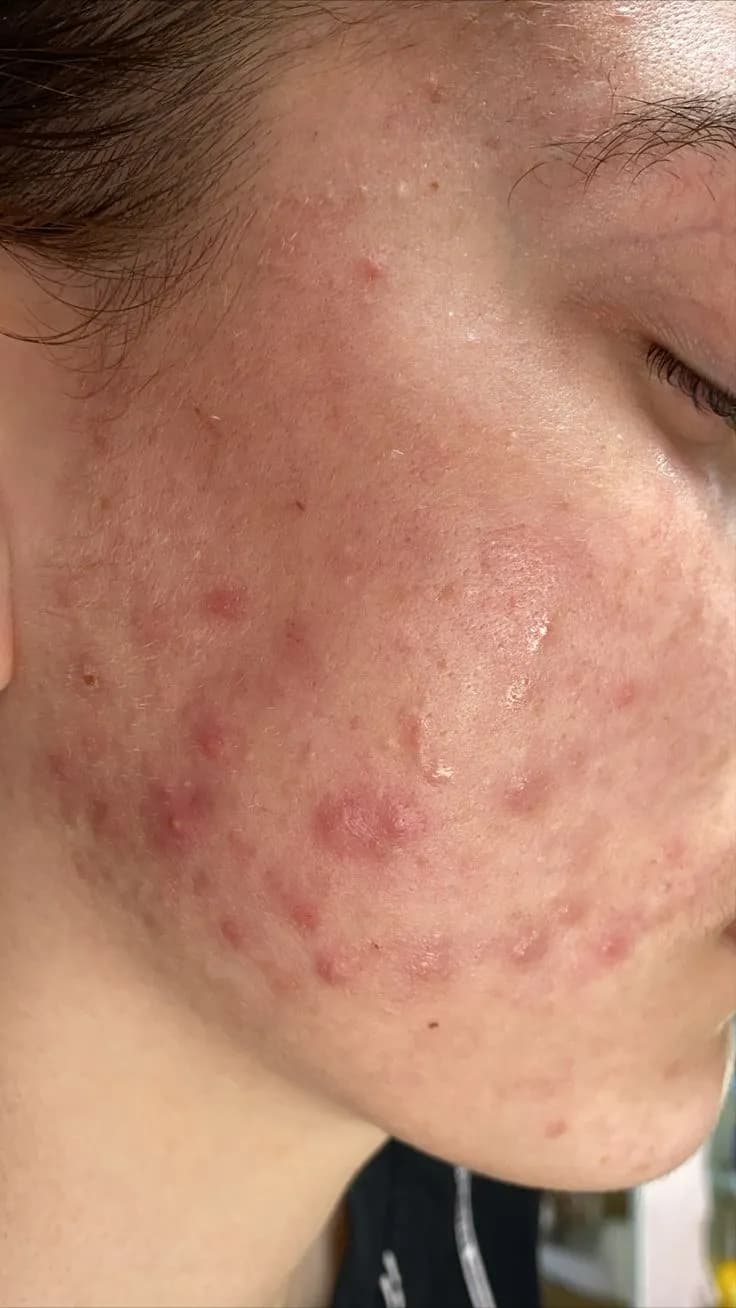 Skin condition
Most skin irritation is caused by something external, an ingredient, an allergen, an environmental trigger. Autoimmune skin conditions work differently: the immune system mistakenly targets the body's own skin cells, and understanding that distinction changes what kind of care is appropriate.
What does an autoimmune response mean for skin?
In autoimmune skin conditions, the immune system misidentifies healthy skin cells or structures as a threat and mounts an inflammatory response against them. This is fundamentally different from an allergic reaction to an external substance, since the trigger originates from within the immune system's own regulation rather than from direct outside contact.
What are common autoimmune skin conditions?
Psoriasis is one of the most common, involving T cells that trigger rapid, excessive skin cell production. Vitiligo involves the immune system attacking melanocytes, the cells responsible for pigment, resulting in patches of depigmented skin. Alopecia areata involves an immune attack on hair follicles, causing patchy hair loss. Lupus can also produce skin symptoms, including a distinctive facial rash, as part of a broader autoimmune condition affecting multiple body systems.
What causes autoimmune activity in the skin?
The precise cause isn't fully understood, but autoimmune conditions are generally believed to result from a combination of genetic predisposition and environmental triggers, which may include infections, significant stress, or hormonal changes. They often run in families and can appear alongside other autoimmune conditions in the same individual.
How are autoimmune skin conditions managed?
Because these conditions originate from immune system activity rather than external irritation alone, management typically focuses on calming that immune-driven inflammation rather than simply treating visible symptoms. This can include anti-inflammatory topical care and, depending on severity, more targeted treatment prescribed by a dermatologist. Gentle, non-irritating skincare is generally important throughout, since additional irritation can compound an already inflamed state.
When should you see a dermatologist?
Suspected autoimmune skin activity should always be evaluated by a dermatologist, since accurate diagnosis often requires clinical assessment and sometimes additional testing, and treatment approaches vary significantly depending on the specific condition involved.
A note from Monoskin
Autoimmune skin conditions originate from within, not from external contact, which is why calming immune-driven inflammation and protecting the barrier matters more than chasing surface symptoms. Suspected autoimmune activity should always be evaluated by a dermatologist.