Eczema and Atopic Dermatitis
How a weakened barrier and an overactive immune response combine to cause chronic irritation.
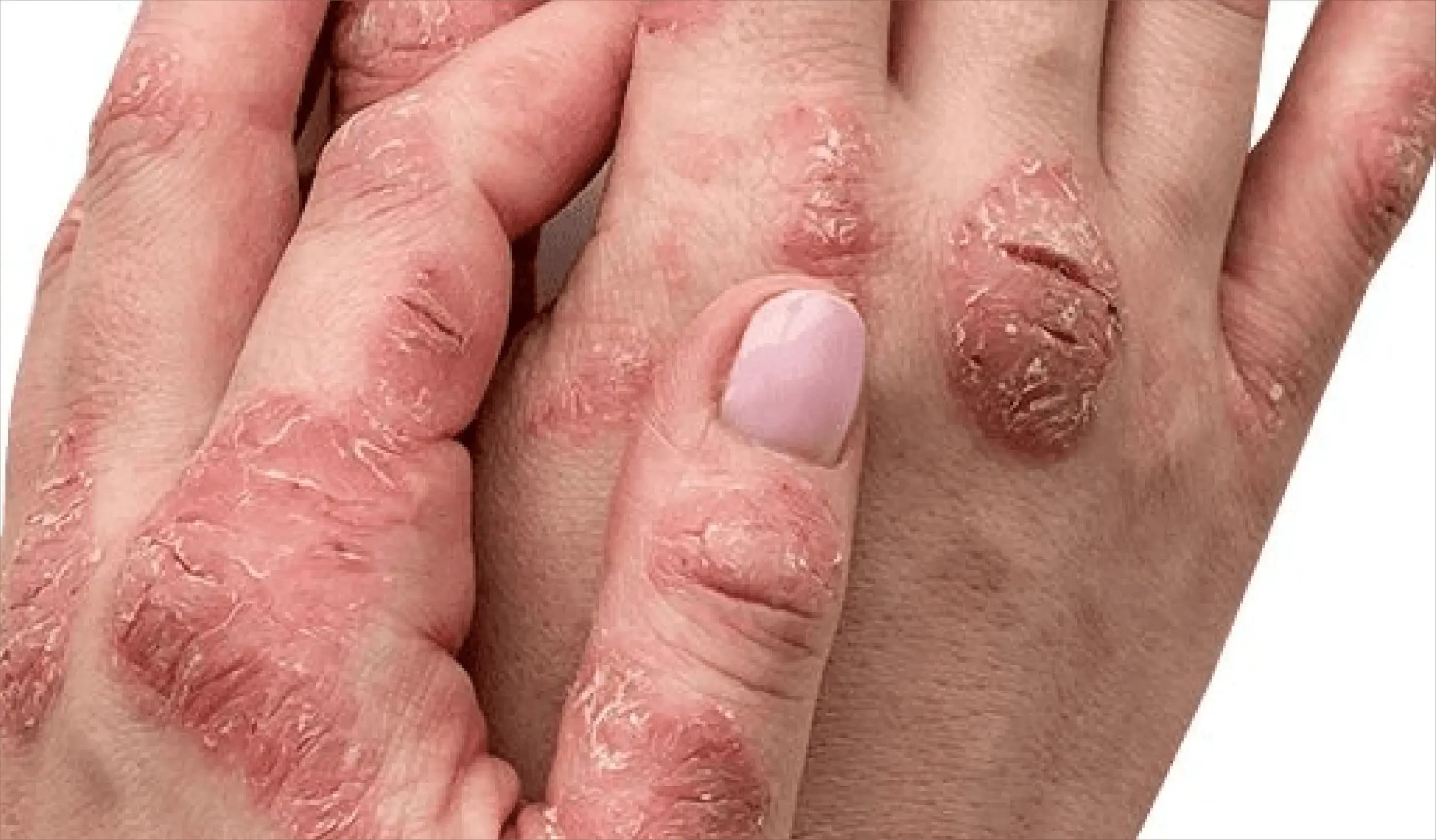 Skin condition
Eczema and atopic dermatitis are often used interchangeably, and for good reason: atopic dermatitis is the most common form of eczema. But understanding the specific mechanism behind atopic dermatitis, rather than treating it as generic dry skin, changes how effectively it can be managed.
What is atopic dermatitis?
Atopic dermatitis is a chronic inflammatory skin condition rooted in two combined factors: a weakened skin barrier, which allows moisture to escape and irritants to enter more easily, and an overactive immune response to those irritants and allergens once they penetrate the skin. This combination produces the inflammation, itching, and redness associated with the condition.
What causes atopic dermatitis?
Atopic dermatitis often has a genetic component, and it frequently appears alongside other allergic conditions, including asthma and hay fever, since they share a similar immune pattern. It commonly begins in childhood, though it can persist or reappear in adulthood. Flare-ups are often triggered by irritants, allergens, dry air, certain fabrics, stress, or harsh skincare products, particularly those containing fragrances or sulfates.
What are the symptoms?
Symptoms typically include dry, itchy skin, red or inflamed patches, and in some cases small fluid-filled bumps that can weep or crust when scratched. Commonly affected areas include the inside of the elbows and knees, though atopic dermatitis can appear anywhere on the body. Itching is often the most disruptive symptom, and scratching tends to worsen inflammation, creating a cycle that can be difficult to interrupt without appropriate care.
How is atopic dermatitis treated?
Because both barrier weakness and immune overactivity are involved, effective management typically addresses both: restoring barrier lipids through consistent moisturizing, avoiding known triggers and irritants, and calming inflammation through anti-inflammatory skincare or, in more significant cases, prescribed treatment. Aggressive products, including strong actives or fragranced formulations, generally worsen atopic dermatitis rather than improving it.
How does wecalm™ support eczema and atopic dermatitis?
wecalm™ is a non-steroidal calming lotion formulated specifically to manage atopic dermatitis, alongside eczema and psoriasis, addressing both sides of the condition at once.
Its 2.5 to 3 percent triple ceramide complex, Ceramide NP, Ceramide AP and Ceramide EOP, is included to support barrier reconstruction, directly addressing the barrier weakness central to atopic dermatitis. Its actives, including niacinamide, colloidal oatmeal, allantoin and a dual vitamin E system, work through a triple anti-inflammatory pathway intended to reduce transepidermal water loss and calm pruritus, without steroids, fragrances, or other common irritants that could trigger a flare.
On the dual vitamin E system: Tocopherol and Tocotrienol are the two chemical families that make up vitamin E. Tocopherol is the more common, more studied form and functions primarily as an antioxidant. Tocotrienol is less common, with an unsaturated side chain and research pointing to a role in supporting barrier function and calming inflammatory pathways, which is why Monoskin pairs it with tocopherol rather than using tocopherol alone.
When should you see a dermatologist?
Mild, occasional dryness can often be managed with a gentle routine. However, persistent, worsening, or widespread atopic dermatitis, or any signs of skin infection following scratching, should be evaluated by a dermatologist to confirm diagnosis and determine whether additional treatment is needed.
A note from Monoskin
Atopic dermatitis involves both a weakened barrier and an overactive immune response, and lasting improvement generally requires addressing both, not just calming visible symptoms. wecalm™ was formulated around this dual mechanism. If symptoms are persistent or significantly affecting daily life, consult a dermatologist for a tailored treatment plan.