Postpartum Hair Loss
Why hair sheds after childbirth, and what to expect during recovery.
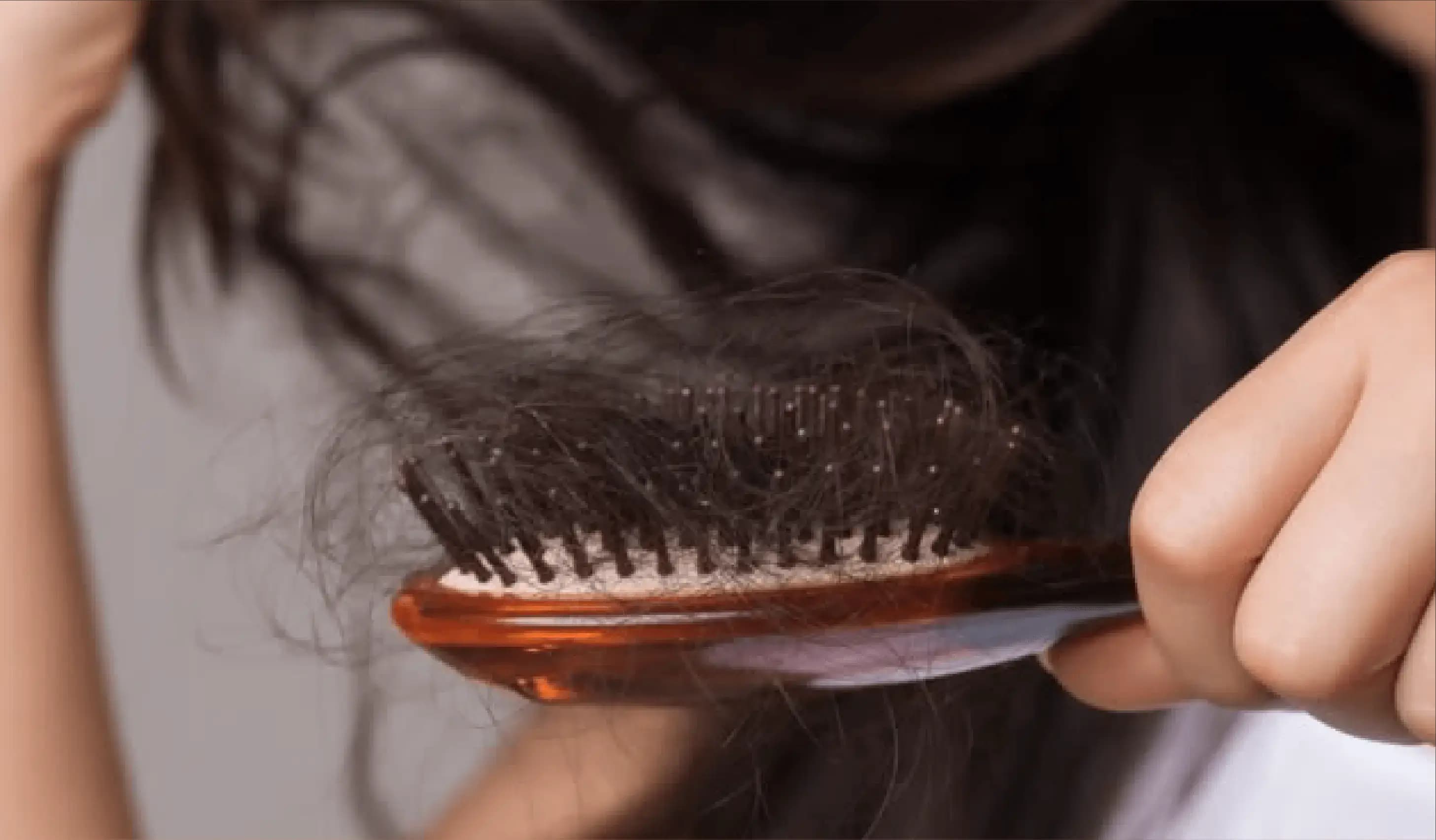 Hair condition
For many new mothers, noticeably increased hair shedding a few months after giving birth comes as an unwelcome surprise. It's a common, well-understood experience, and in the vast majority of cases it resolves on its own without any specific treatment.
What is postpartum hair loss?
Postpartum hair loss is a form of telogen effluvium, a temporary disruption in the hair growth cycle triggered by the sharp hormonal shift that follows childbirth. During pregnancy, elevated estrogen levels extend the hair growth phase, which is why many people notice thicker, fuller hair while pregnant. After delivery, estrogen levels drop rapidly, pushing a large percentage of follicles into the resting phase at once, followed by noticeable shedding roughly two to four months postpartum.
Why does this happen, mechanically?
Hair normally cycles individually through growth and resting phases, so shedding is usually gradual and unnoticeable. Because pregnancy synchronizes a larger percentage of hair into the growth phase simultaneously, the postpartum hormonal drop causes an unusually large percentage of hair to enter the resting phase at the same time, which is why the resulting shedding feels sudden and significant rather than gradual.
How long does it last?
Postpartum shedding is typically most noticeable between two and four months after delivery and generally improves within six to twelve months, as the hair cycle gradually returns to its pre-pregnancy pattern. It's common to notice regrowth as shorter, wispy hairs along the hairline during recovery. This is a temporary, self-resolving process for the large majority of people, not a sign that something has gone wrong.
What actually helps during this period?
Because this is a hormonal recovery process rather than damage to the follicles, there isn't a treatment that meaningfully speeds it up, and it's important to be cautious of anything marketed as a quick fix. What genuinely helps is supportive: eating a balanced diet (postpartum depletion of iron, protein and vitamin D can compound shedding), being gentle with hair, avoiding tight hairstyles, excessive heat styling, or aggressive brushing, and getting adequate rest where possible. Most importantly, give the process time and avoid over-testing new products on already-stressed follicles.
Why awareness matters here
Postpartum hair loss is extremely common, yet it often causes real distress because it isn't widely talked about before it happens. Recognizing it as a normal, expected, and temporary part of postpartum recovery, rather than something to fix urgently, is often the most helpful thing a new mother can know. Comparing hair thickness to before pregnancy isn't a fair baseline, since pregnancy itself temporarily inflates hair volume.
When should you see a dermatologist or physician?
If shedding is unusually severe, doesn't begin improving by around a year postpartum, or is accompanied by other symptoms such as persistent fatigue, unexplained weight changes, or patterned (rather than diffuse) hair loss, it's worth consulting a dermatologist or physician. These can sometimes point to a thyroid imbalance, iron deficiency, or another underlying cause that benefits from evaluation.
A note from Monoskin
Postpartum shedding is a normal, temporary part of recovery for most new mothers, driven by hormones rather than follicle damage. Gentle, supportive care and patience matter more than aggressive treatment. If shedding is severe or hasn't improved by around a year, consult a dermatologist or physician.