Stress and Skin
How stress actually shows up on skin, and why a strong barrier matters more during stressful periods.
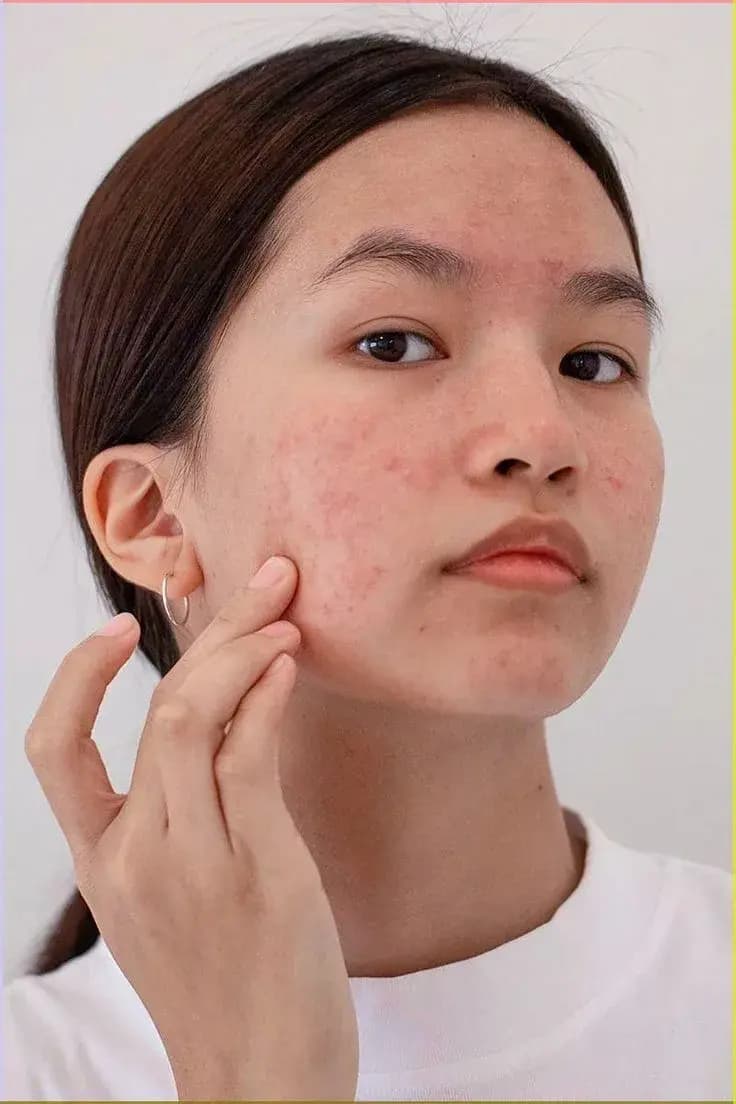 Skin condition
The idea that stress affects skin isn't just anecdotal. There's a real, well-documented physiological pathway connecting the two, and recognizing it can explain why skin sometimes reacts during difficult periods even when the routine hasn't changed at all.
How does stress actually affect the skin?
Stress triggers the release of cortisol, a hormone that, among its many effects, can increase oil production, slow skin barrier repair, and heighten inflammatory activity. Chronic or acute stress has been associated with slower wound healing, increased transepidermal water loss, and a reduced ability of the skin barrier to recover from everyday stressors, including sun exposure and product use.
Why does the barrier matter specifically during stress?
Because cortisol slows barrier repair and increases water loss, skin tends to be more vulnerable during stressful periods, even to products and routines that were previously well-tolerated. This is part of why a routine that worked fine during a calmer period can suddenly feel irritating during a demanding one. Supporting the barrier during these periods can reduce how much stress actually shows up visibly on the skin.
How does 4ZERØ1™ support skin during stress?
4ZERØ1™ Barrier Repair Cream is built around restoring and protecting the skin barrier, precisely what's under strain during stressful periods.
Its four-action formulation, restoring lost lipids, calming existing irritation, replenishing hydration, and protecting the skin while it repairs, addresses the barrier compromise that cortisol contributes to. It's formulated without common irritants, including added fragrance, alcohol and paraben, which matters for skin that's already more reactive than usual. Delivered through Cetosomes® technology for controlled, sustained release, it's designed to support the barrier consistently through periods when skin needs it most.
When should you see a dermatologist?
If stress-related skin changes are severe, persistent, or involve a flare of an existing condition that isn't responding to gentler care, it's worth consulting a dermatologist, since ongoing barrier compromise can sometimes require more targeted treatment.
A note from Monoskin
Stress affects skin through a real physiological pathway, not just perception, and a well-supported barrier is often what determines how visibly that stress shows up. 4ZERØ1™ was formulated to support the barrier through exactly these periods. If skin changes are significant or persistent, consult a dermatologist.